
Scar revision surgery is a procedure designed to minimize the appearance of scars, improving skin texture and blending the scar with surrounding skin for a more natural look. The aim is to make the scar less noticeable or more comfortable.
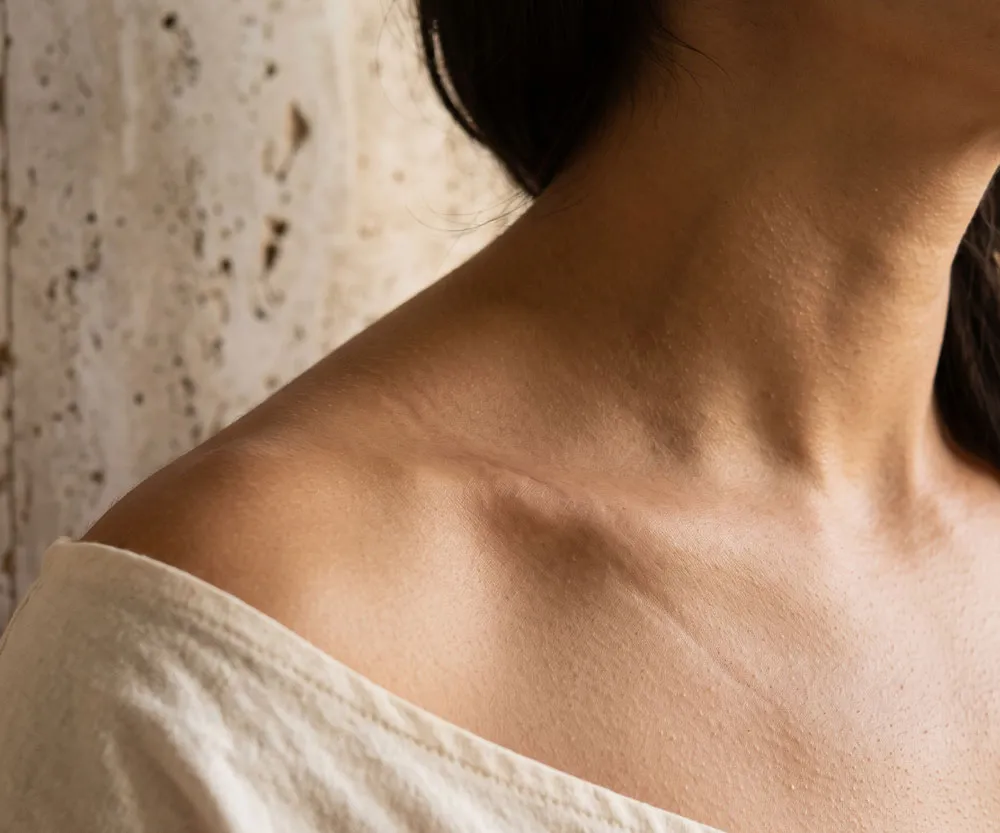
Scars are a natural part of the healing process, but they can sometimes be unsightly or cause discomfort. Scar revision surgery is designed to minimize the appearance of scars, helping them blend more seamlessly with your surrounding skin. Whether your scar resulted from injury, surgery, or a skin condition, this procedure can enhance its appearance and boost your confidence.
Scar revision surgery can involve various techniques depending on the type, size, location, and severity of the scar. Methods may include surgical excision, dermabrasion, laser therapy, or injectable treatments. Dr. Gus carefully evaluates each scar to determine the most effective approach. The goal is not to make scars less conspicuous and improve its texture and color. This can greatly enhance the overall appearance of your skin and restore your self-confidence.
“Refining a scar is about erasing a physical memory, allowing the skin to reflect your natural beauty uninterrupted.”
May make a prominent scar less noticeable.
Can address selected raised, depressed or uneven areas.
Selected treatments can reduce redness or uneven pigmentation.
May reduce scar-related itching, irritation or tightness.
Releasing a contracted scar may improve mobility.
May help you feel more comfortable with the treated area.
Each stage is designed around your comfort, safety, and outcome. Dr. Gus walks every patient through this process in detail during your fully private consultation.
Dr Gus will assess the scar’s age, size, location, texture and effect on movement. You will discuss previous treatment, your healing history and any tendency to form raised scars or keloids. Together, you will consider treatment options, likely improvement, recovery and risks.
Your medical history and medications are reviewed, and factors affecting healing are addressed. You will receive instructions about nicotine avoidance, wound care and any medication adjustments.
A small revision may be performed under local anaesthesia; more extensive surgery may require sedation or general anaesthesia. The scar is removed or repositioned according to the plan, and the wound is closed carefully, sometimes in layers to reduce surface tension. Dressings are applied. Additional scar treatment may be recommended during healing.
Recovery is generally very mild, with the primary focus on protecting the new incision from tension and sun exposure
Mild localized tenderness. The area must be kept clean and dry, avoiding any stretching of the skin.
Sutures are carefully removed. The new scar will look like a very fine, pink line.
The scar begins its maturation phase. Strict sun protection and silicone scar therapy commence.
Over 12 to 18 months, the red/pink color fades to match the surrounding skin tone, leaving a barely visible trace.
Ideal candidates are those with fully healed scars that remain visually displeasing or physically restrictive.
You may be a candidate if you:

Breast Augmentation
To increase the perceived size, restoring structural tone and vitality to the upper torso for a fuller, more balanced feminine form.
“For years, I felt that my silhouette didn’t quite match my active lifestyle. I wanted a change, but I was terrified of looking ‘overdone’ or artificial. Dr. Gus set my mind to rest. His approach turned out to be so considered the recovery was smoother than I anticipated, but the real impact was the confidence. For the first time, I feel completely at home in my own skin. I am just about the surgery. It was about the care and the precision behind it.”
— Dana S, Zurich
No. Surgical revision replaces or rearranges an existing scar. The aim is improvement, and the new scar may still be visible.
Many scars continue to improve naturally. Maturation often takes 12 to 18 months, so elective surgical revision may be delayed. Earlier treatment may be appropriate for symptoms or restricted movement.
Yes. Depending on the scar, options include silicone gel or sheets, injections, laser treatment and other resurfacing techniques. Several sessions may be required.
Yes, surgery alone has a high recurrence risk, so additional treatment is often needed.
This depends on the site, procedure and anaesthesia. Drive only when you can safely control the vehicle and are no longer affected by sedating medicines. Exercise that stretches the treated area needs clearance.
Improvement can be long-lasting, but scars may widen, thicken or recur. Healing response, tension and aftercare affect the outcome, and further treatment may be needed.
Risks include bleeding, infection, delayed healing, altered sensation, pigment changes and an unsatisfactory or more prominent scar.
A private, no-obligation consultation with Dr. Gus is the first step. Come with questions, leave with clarity. We keep availability limited to ensure every patient receives undivided attention.